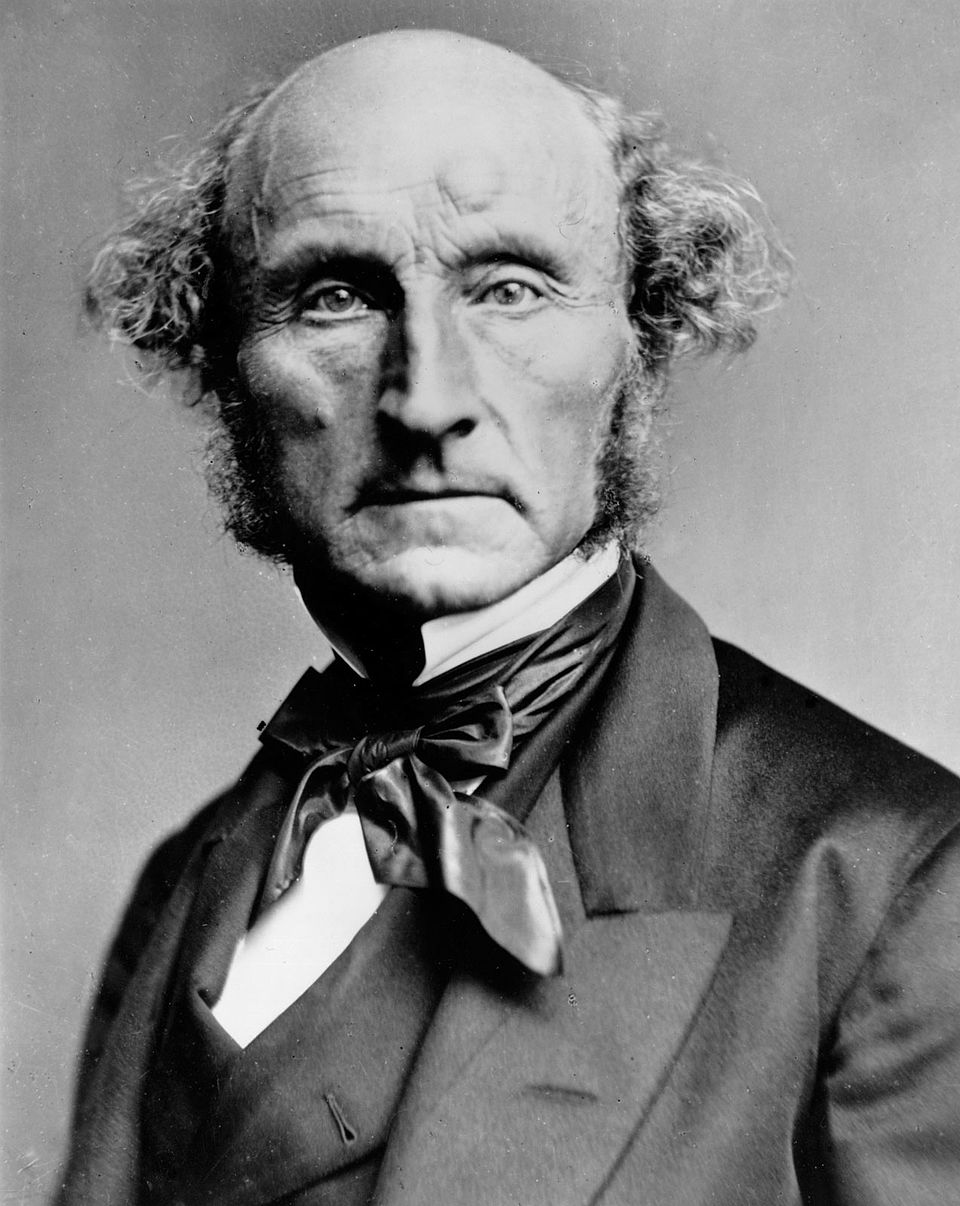
via Wikipedia · CC-BY-SA
84
Ideas
12
Passages
710
Citations
Works cited (3)
Ideas this author touches 84 Ideas · click an Idea to read in context
State39Government31Justice24Virtue And Vice22Democracy21Law20Pleasure And Pain18Good And Evil17Happiness17Monarchy17Wealth16Constitution15Education15Tyranny15Truth14Will14Custom And Convention13Liberty13Man13Opinion13Slavery13Citizen12Family12Habit12Knowledge12Labor12Revolution12Progress11Punishment11Aristocracy10Art10Philosophy10Religion10Science10Desire9Emotion8Mind8Principle8Reasoning8Rhetoric8God7Honor7Dialectic6Love6Nature6Temperance6War And Peace6Duty5Experience5Judgment5Logic5Sign And Symbol5Courage4Mathematics4Necessity And Contingency4Oligarchy4One And Many4Opposition4Prudence4Sense4Animal3Hypothesis3Prophecy3Sin3Wisdom3Chance2Induction2Astronomy1Cause1Change1Definition1Evolution1Fate1History1Immortality1Language1Medicine1Memory And Imagination1Poetry1Quantity1Relation1Theology1Time1Universal And Particular1
This MindMap is generated using weights to determine which ideas this thinker debates with others.
Passages by work
Representative Government8 passages
Representative Government 340a-c; 353b-354b; 363d-364b 44 EoswELL-johnson, 125c-d; 141a; 211b-c; 220b✓ correct
ALL SPECULATIONS concerning forms of government bear the impress, more or less exclusive, of two conflicting theories respecting political institutions; or, to speak more properly, conflicting conceptions of what political institutions are.
By some minds, government is conceived as strictly a practical art, giving rise to no questions but those of means and an end. Forms of government are… Read the rest of this passage →
Representative Government, 351d 352b; 378d; BK vin, CH 10-11 412c-413d / Politics, BK in, CH 5 [1278*15-34] 475b-c; en 7 476c- b 477a …✓ correct
THE QUESTION of greatest moment in regard to modes of voting is that of secrecy or publicity; and to this we will at once address ourselves.
It would be a great mistake to make the discussion turn on sentimentalities about skulking or cowardice. Secrecy is justifiable in many cases, imperative in some, and it is not cowardice to seek protection against evils which are honestly avoidable. Nor can… Read the rest of this passage →
Representative Government, 382 b / Utili- tarianism, 462c-463b passim HI, CH 2 177c-178d; CH 10 185d-187a …✓ correct
THE FORM of government for any given country being (within certain definite conditions) amenable to choice, it is now to be considered by what test the choice should be directed; what are the distinctive characteristics of the form of government best fitted to promote the interests of any given society.
Before entering into this inquiry, it may seem necessary to decide what are the proper… Read the rest of this passage →
Representative Government, 434c-435c CH 14-15 passim✓ correct
IT WOULD be out of place, in this treatise, to discuss the question into what departments or branches the executive business of government may most conveniently be divided. In this respect the exigencies of different governments are different; and there is little probability that any great mistake will be made in the classification of the duties when men are willing to begin at the beginning, and… Read the rest of this passage →
Representative Government, 3$6d~367a; 385b-d✓ correct
IT HAS long (perhaps throughout the entire duration of British freedom) been a common saying, that if a good despot could be ensured, despotic monarchy would be the best form of government. I look upon this as a radical and most pernicious misconception of what good government is; which, until it can be got rid of, will fatally vitiate all our speculations on government.
The supposition is, that… Read the rest of this passage →
Representative Government, 369b-370a 454a-455a,c passim; BK u, CH 9 [u69*33- i2]✓ correct
IN SOME representative constitutions the plan has been adopted of choosing the members of the representative body by a double process, the primary electors only choosing other electors, and these electing the member of parliament. This contrivance was probably intended as a slight impediment to the full sweep of popular feeling; giving the suffrage, and with it the complete ultimate power, to the… Read the rest of this passage →
Representative Government, 338d-339a; 341d-355b passim✓ correct
A representative democracy as has now been sketched, representative of all, and not solely of the majority — in which the interests the opinions, the grades of intellect which are outnumbered would nevertheless be heard, and would have a chance of obtaining by weight of character and strength of argument an influence which would not belong to their numerical force — this democracy, which is alone… Read the rest of this passage →
Representative Government, 424c-428a 5. passim state✓ correct
The meaning of representative government is, that the whole people, or some numerous portion of them, exercise through deputies periodically elected by themselves the ultimate controlling power, which, in every constitution, must reside somewhere. This ultimate power they must possess in all its completeness. They must be masters, whenever they please, of all the operations of government. There… Read the rest of this passage →
Cited under: Aristocracy · Art · Chance · Citizen · Constitution · Courage · Custom And Convention · Democracy · Desire · Education · Emotion · Evolution · Fate · Government · Habit · Happiness · Justice · Knowledge · Labor · Law · Liberty · Love · Memory And Imagination · Mind · Monarchy · Nature · Necessity And Contingency · Oligarchy · One And Many · Opposition · Philosophy · Progress · Prophecy · Prudence · Religion · Revolution · Rhetoric · Science · Slavery · State · Temperance · Tyranny · Virtue And Vice · War And Peace · Wealth · Will · Wisdom
Utilitarianism3 passages
Utilitarianism, 469c-d✓ correct
THERE ARE few circumstances among those which make up the present condition of human knowledge, more unlike what might have been expected, or more significant of the backward state in which speculation on the most important subjects still lingers, than the little progress which has been made in the decision of the controversy respecting the criterion of right and wrong. From the dawn of… Read the rest of this passage →
Utilitarianism, 446a-447a and synthetic judgments: trifling 35 LOCKE* Human Understanding, BK iv, CH v, SECT 6, 330b; CH viu 345a-348d✓ correct
IN ALL ages of speculation, one of the strongest obstacles to the reception of the doctrine that Utility or Happiness is the criterion of right and wrong, has been drawn from the idea of justice. The powerful sentiment, and apparently clear perception, which that word recalls with a rapidity and certainty resembling an instinct, have seemed to the majority of thinkers to point to an inherent… Read the rest of this passage →
Utilitarianism, 447b-d 3?(l) The same word used literally and figura- tively:metaphors derived from anal- ogies or proportions and from other kinds of similitude✓ correct
THE QUESTION is often asked, and properly so, in regard to any supposed moral standard- What is its sanction? what are the motives to obey it? or more specifically, what is the source of its obligation? whence does it derive its binding force? It is a necessary part of moral philosophy to provide the answer to this question; which, though frequently assuming the shape of an objection to the… Read the rest of this passage →
Cited under: Animal · Art · Cause · Chance · Courage · Definition · Desire · Duty · Education · Emotion · Experience · God · Good And Evil · Government · Habit · Happiness · History · Honor · Hypothesis · Induction · Judgment · Justice · Knowledge · Language · Law · Love · Man · Mathematics · Mind · Necessity And Contingency · One And Many · Opinion · Philosophy · Pleasure And Pain · Principle · Progress · Prudence · Punishment · Quantity · Reasoning · Relation · Religion · Science · Sense · Sign And Symbol · Sin · State · Theology · Time · Truth · Virtue And Vice · War And Peace · Wealth · Will · Wisdom
On Liberty1 passage
Liberty, 298b-299a / Representative Government, 353b-354b; 364b-d; 366a-369b passim ;376b-c 44 Bosw ELL: Johnson, 125c-d; 141a; 211b-c✓ correct
THE subject of this Essay is not the so-called Liberty of the Will, so unfortunately opposed to the misnamed doctrine of Philosophical Necessity; but Civil, or Social Liberty: the nature and limits of the power which can be legitimately exercised by society over the individual. A question seldom stated, and hardly ever discussed, in general terms, but which profoundly influences the practical… Read the rest of this passage →
Cited under: Aristocracy · Art · Astronomy · Change · Citizen · Constitution · Courage · Custom And Convention · Democracy · Desire · Dialectic · Duty · Education · Emotion · Experience · Family · God · Good And Evil · Government · Habit · Happiness · Honor · Hypothesis · Immortality · Judgment · Justice · Knowledge · Labor · Law · Liberty · Logic · Man · Mathematics · Medicine · Mind · Monarchy · Nature · Opinion · Opposition · Philosophy · Pleasure And Pain · Poetry · Progress · Prudence · Punishment · Reasoning · Religion · Revolution · Rhetoric · Science · Sign And Symbol · Sin · Slavery · State · Temperance · Truth · Tyranny · Universal And Particular · Virtue And Vice · War And Peace · Wealth · Will · Wisdom