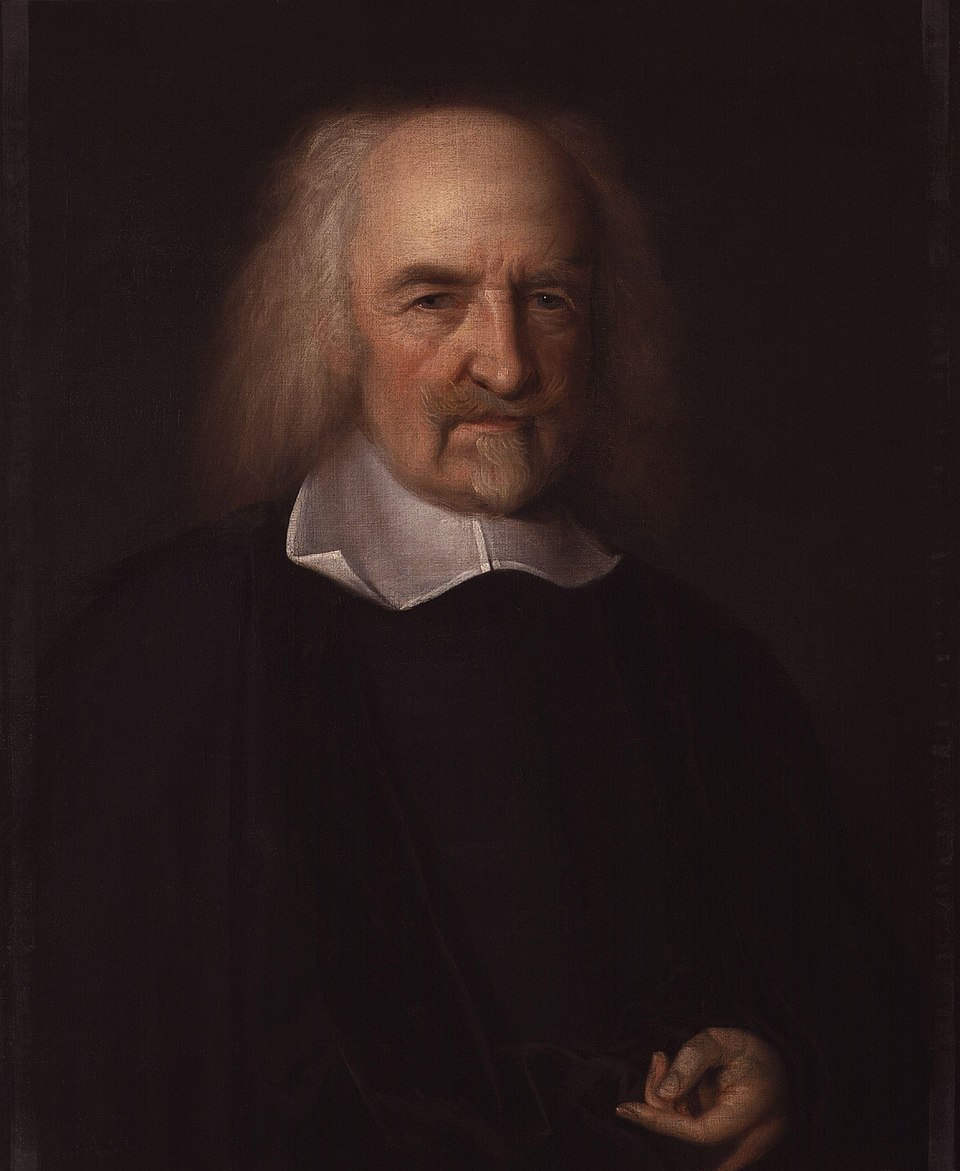
via Wikipedia · CC-BY-SA
97
Ideas
15
Passages
936
Citations
Works cited (1)
Ideas this author touches 97 Ideas · click an Idea to read in context
God40Law35State27Religion26Knowledge24Government22Good And Evil20Justice20Memory And Imagination20Idea17Truth16Wealth16Happiness15Punishment15Reasoning15Democracy14Language14Man14Monarchy14Prophecy14Science14Angel13Change13Family13Sense13Cause12Emotion12Love12Desire11Rhetoric11Sign And Symbol11Virtue And Vice11Will11Being10Constitution10Immortality10Liberty10Mind10Opinion10Aristocracy9Custom And Convention9Logic9Nature9Pleasure And Pain9Poetry9Revolution9Slavery9Art8Education8Honor8Philosophy8Quality8Sin8War And Peace8Experience7Habit7Judgment7One And Many7Principle7Relation7Animal6Life And Death6Prudence6Space6World6Citizen5Courage5Duty5Eternity5Infinity5Mathematics5Mechanics5Medicine5Necessity And Contingency5Soul5Tyranny5Chance4History4Labor4Oligarchy4Opposition4Physics4Universal And Particular4Wisdom4Definition3Form3Matter3Metaphysics3Progress3Quantity3Temperance3Theology3Time3Beauty2Fate2Same And Other2Evolution1
This MindMap is generated using weights to determine which ideas this thinker debates with others.
Passages by work
Leviathan12 passages
Leviathan, PART i, 79d-82c✓ correct
CONCERNING the thoughts of man, I will consider them first singly, and afterwards in train or dependence upon one another. Singly, they are every one a representation or appearance of some quality, or other accident of a body without us, which is commonly called an object. Which object worketh on the eyes, ears, and other parts of man's body, and by diversity of working produceth diversity of… Read the rest of this passage →
Leviathan, PART HI, 174b-176d; PART iv, 258b-260c✓ correct
HAVE derived the rights of sovereign power, and the duty of subjects, hitherto from the principles of nature only; such as experience has found true, or consent concerning the use of words has made so; that is to say, from the nature of men, known to us by experience, and from definitions, of such words as are essential to all political reasoning, universally agreed on. But in that I am next to… Read the rest of this passage →
Leviathan, PART iv, 247a-248a✓ correct
Besides these sovereign powers, divine and human, of which I have hitherto discoursed, there is mention in Scripture of another power, namely, that of "the rulers of the darkness of this world,"1 "the kingdom of Satan,"2 and "the principality of Beelzebub over demons,"3 that is to say, over phantasms that appear in the air: for which cause Satan is also called "the prince of the power of the… Read the rest of this passage →
Leviathan, PART n, lOOa-c✓ correct
THE final cause, end, or design of men (who naturally love liberty, and dominion over others) in the introduction of that restraint upon themselves, in which we see them live in Commonwealths, is the foresight of their own preservation, and of a more contented life thereby; that is to say, of getting themselves out from that miserable condition of war which is necessarily consequent, as hath been… Read the rest of this passage →
Leviathan, PART i, 62a 42 KAN i judgement, 476a-482b; 486d 489a; : b 479b-c; CH 13 [i284 3-i2] 482c-d; BK v, CH 9 521b 523c, 540d-542a; 544c-545b; 546d-548c; [i309 23-:$o] 512a; BK vn, CH 4 [1326^0-35] 550a; 557c-55fb ft✓ correct
NATURE hath made men so equal in the faculties of body and mind as that, though there be found one man sometimes manifestly stronger in body or of quicker mind than another, yet when all is reckoned together the difference between man and man is not so considerable as that one man can thereupon claim to himself any benefit to which another may not pretend as well as he. For as to the strength of… Read the rest of this passage →
Leviathan, PART i, 78c-79a; 79d- [ioi4 2o-26] 535a; BK vn, CH 9 [1034*32- 80a 8] 55Tc-d; CH 10 [1035^4-28] 559a-b; CH 16✓ correct
THERE are of are of knowledge two kinds, whereof one is knowledge of fact; the other, knowledge of the consequence of one affirmation to another. The former is nothing else but sense and memory, and is absolute knowledge; as when we see a fact doing, or remember it done; and this is the knowledge required in a witness. The latter is called science, and is conditional; as when we know that: if the… Read the rest of this passage →
Leviathan, PART i, 73b-c; PART n, 99a-b; 104a-d; 105c-d; 112b-117b; 153a-157c; CONCLUSION, 279a-c✓ correct
CICERO maketh honourable mention of one of the Cassii, a severe judge amongst the Romans, for a custom he had in criminal causes, when the testimony of the witnesses was not sufficient, to ask the accusers, cui bono; that is to say, what profit, honour, or other contentment the accused obtained or expected by the fact. For amongst presumptions, there is none that so evidently declareth the author… Read the rest of this passage →
Leviathan, PART i, 62c-63a✓ correct
THAT when a thing lies still, unless somewhat else stir it, it will lie still for ever, is a truth that no man doubts of. But that when a thing is in motion, it will eternally be in motion, unless somewhat else stay it, though the reason be the same (namely, that nothing can change itself), is not so easily assented to. For men measure, not only other men, but all other things, by themselves: and… Read the rest of this passage →
Leviathan, PART n, 114b-115a; 150c-151a 35 LocKf Civil Government, CH xix, SECT 223 76c-d, SECT 240-242 81b-d✓ correct
THE difference of Commonwealths consisteth in the difference of the sovereign, or the person representative of all and every one of the multitude. And because the sovereignty is either in one man, or in an assembly of more than one; and into that assembly either every man hath right to enter, or not every one, but certain men distinguished from the rest; it is manifest there can be but three… Read the rest of this passage →
Leviathan, PART i, 78a-80c; PART iv, 271c-272c [994 i7-3o] 5l3a-b; BK in, CH 4 [999*24-29]✓ correct
THE INVENTION of printing, though ingenious, compared with the invention of letters is no great matter. But who was the first that found the use of letters is not known. He that first brought them into Greece, men say, was Cadmus, the son of Agenor, King of Phoenicia. A profitable invention for continuing the memory of time past, and the conjunction of mankind dispersed into so many and distant… Read the rest of this passage →
Leviathan, P\RT ii, 149a-b; 152c b CH 3 [1290*13] -CH 4 [i290 2o] 489b-d, CH 5 491d-492a, CH 6 [1293*11-34] 492d-493a …✓ correct
BY CONSEQUENCE, or train of thoughts, I understand that succession of one thought to another which is called, to distinguish it from discourse in words, mental discourse.
When a man thinketh on anything whatsoever, his next thought after is not altogether so casual as it seems to be. Not every thought to every thought succeeds indifferently. But as we have no imagination, whereof we have not… Read the rest of this passage →
Leviathan, PART i, 67c; PART n, ] 653b; CH 7 659a-660a; CH 16 b 127d ] 670c-d; CH 19 [i4i9 io-i3]✓ correct
OF ALL discourse governed by desire of knowledge, there is at last an end, either by attaining or by giving over. And in the chain of discourse, wheresoever it be interrupted, there is an end for that time.
If the discourse be merely mental, it consisteth of thoughts that the thing will be, and will not be; or that it has been, and has not been, alternately. So that wheresoever you break off the… Read the rest of this passage →
Cited under: Angel · Animal · Aristocracy · Art · Beauty · Being · Cause · Chance · Change · Citizen · Constitution · Courage · Custom And Convention · Definition · Democracy · Desire · Duty · Education · Emotion · Eternity · Evolution · Experience · Family · Fate · Form · God · Good And Evil · Government · Habit · Happiness · History · Honor · Idea · Immortality · Infinity · Judgment · Justice · Knowledge · Labor · Language · Law · Liberty · Life And Death · Logic · Love · Man · Mathematics · Matter · Mechanics · Medicine · Memory And Imagination · Metaphysics · Mind · Monarchy · Nature · Necessity And Contingency · Oligarchy · One And Many · Opinion · Opposition · Philosophy · Physics · Pleasure And Pain · Poetry · Principle · Progress · Prophecy · Prudence · Punishment · Quality · Quantity · Reasoning · Relation · Religion · Revolution · Rhetoric · Same And Other · Science · Sense · Sign And Symbol · Sin · Slavery · Soul · Space · State · Temperance · Theology · Time · Truth · Tyranny · Universal And Particular · Virtue And Vice · War And Peace · Wealth · Will · Wisdom · World