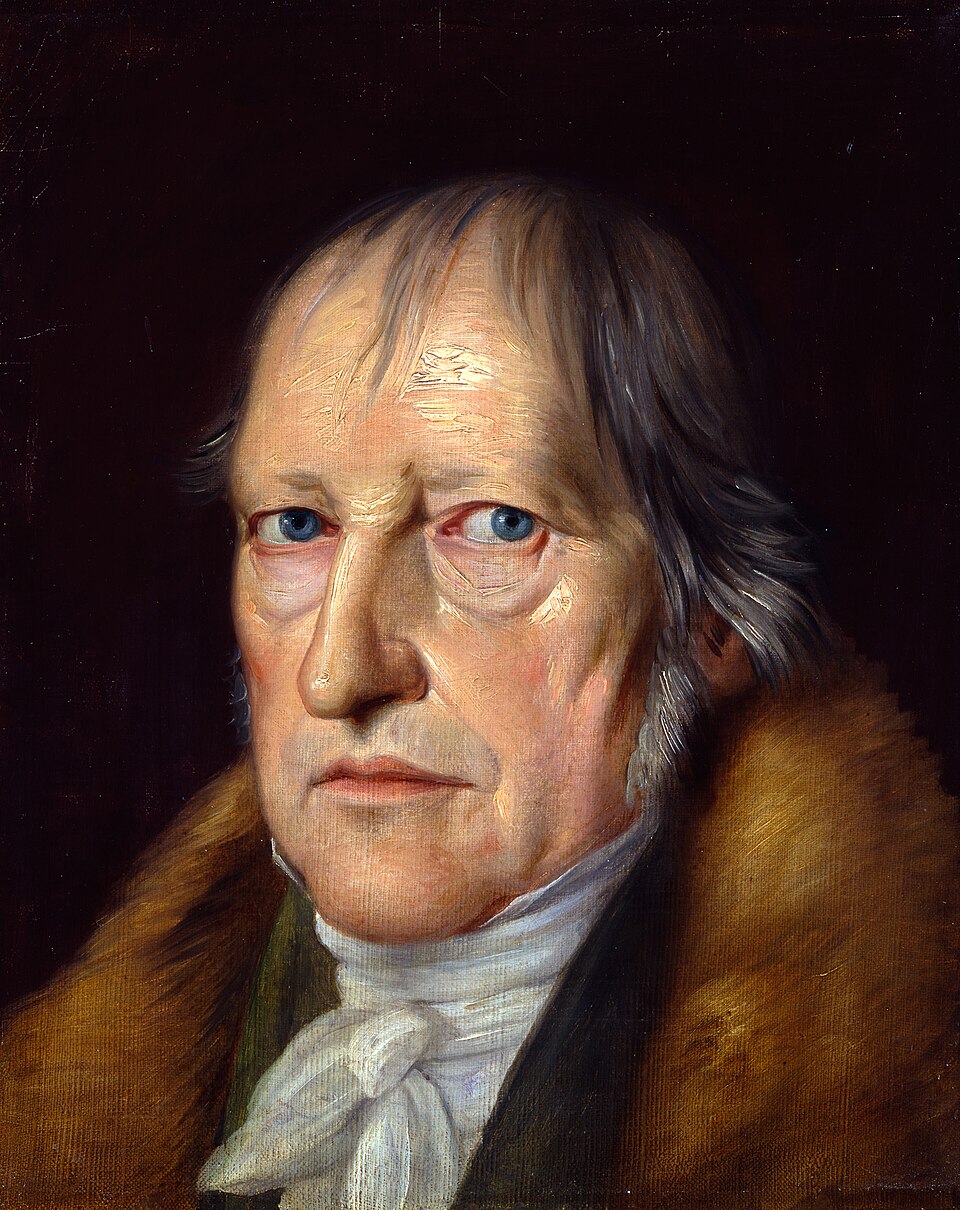
via Wikipedia · CC-BY-SA
98
Ideas
8
Passages
1,104
Citations
Works cited (2)
Ideas this author touches 98 Ideas · click an Idea to read in context
State54Wealth38God37Law36Government30Justice30Religion27Knowledge26Man26Good And Evil25Being22Democracy22Nature20War And Peace20Liberty19Virtue And Vice19Family18Monarchy18Art17Education17Punishment16Slavery16Truth16Will16Constitution15Desire15Mind15Necessity And Contingency15Opinion15Revolution15Science15Love14Philosophy14Happiness13Memory And Imagination13Honor12One And Many12Labor11Poetry11Progress11Aristocracy10Custom And Convention10Emotion10Habit10Time10Tyranny10Citizen9Language9Soul8Beauty7Cause7Change7Dialectic7Form7Opposition7Pleasure And Pain7Prophecy7Reasoning7Relation7Wisdom7Idea6Immortality6Logic6Prudence6Sin6History5Life And Death5Oligarchy5Principle5Sense5Sign And Symbol5Universal And Particular5Chance4Courage4Definition4Duty4Eternity4Experience4Fate4Infinity4Judgment4Temperance4World4Angel3Animal3Metaphysics3Rhetoric3Theology3Astronomy2Evolution2Induction2Quality2Quantity2Same And Other2Hypothesis1Mathematics1Matter1Medicine1
This MindMap is generated using weights to determine which ideas this thinker debates with others.
Passages by work
The Philosophy of Right4 passages
Philosophy of Right, PART i, par 47 24a-b; PART 11, par 132 46b-47a; par 139 48d- 49b; PART in, par 190 66a-b; par 211, 70a-b; ADDITIONS, 4-5, 116a-d; 8 117c-d; 10 117d- 118a; 28 121b; 62 126a; 118 136a-b; 121 136c-d / Philosophy of History, INTRO, 156c; 168d; 178a-b; 186a; PART i, 257d-258a; PART in, 304d-305a✓ correct
Elements of the Philosophy of Right
SECTION 1
Property
§ 41
The person must give himself an external sphere of freedom in order to have being as Idea.1 The person is the infinite will, the will which has being in and for itself, in this first and as yet wholly abstract determination. Consequently, this sphere distinct from the will, which may constitute the sphere of its freedom, is likewise… Read the rest of this passage →
Philosophy of Right, ADDITIONS, 25 121a; 121 136c-d✓ correct
Elements of the Philosophy of Right
Introduction
§ 1
The subject-matter of the philosophical science of right is the Idea of right – the concept of right and its actualization.1
Philosophy has to do with Ideas and therefore not with what are commonly described as mere concepts. On the contrary, it shows that the latter are one-sided and lacking in truth, and that it is the concept alone (not…
Philosophy of Right, PREF, 2b-c; PART ii, par 132, 46c-d; par 138 48c-d; PART in, par 150-152 56c-57b; par 339 llOb; par 355 112d- 113a; ADDITIONS, r 115a-d; 89 129d-130a; 91 131a-d; 96-97 132c-133a / Philosophy of His- tory, INTRO, 166a-b, 170d-171c, PART 11, 271d- 272d; 273c; 279c-d; 280b-281b; PART in, 311a-b, PART iv, 333b-d✓ correct
Elements of the Philosophy of Right
SECTION 3
The Good and the Conscience
§ 129
The good is the Idea, as the unity of the concept of the will and the particular will, in which abstract right, welfare, the subjectivity of knowing, and the contingency of external existence [Dasein], as self-sufficient for themselves, are superseded; but they are at the same time essentially contained and… Read the rest of this passage →
Philosophy of History, PART iv, 322a b 180a-d; 206c-207a; 216b-218a; 223a-c; PART 8c. The Law: its observance as a condition of iv, 269a righteousness and blessedness✓ correct
Elements of the Philosophy of Right
§ 301
The role [Bestimmung] of the Estates is to bring the universal interest [Angelegenheit] into existence [Existenz] not only in itself but also for itself, i.e. to bring into existence the moment of subjective formal freedom, the public consciousness as the empirical universality of the views and thoughts of the many.
The expression ‘the many’ (οἱ…
Cited under: Animal · Aristocracy · Art · Astronomy · Being · Cause · Chance · Change · Citizen · Constitution · Courage · Custom And Convention · Definition · Democracy · Desire · Dialectic · Duty · Education · Emotion · Eternity · Experience · Family · Fate · Form · God · Good And Evil · Government · Habit · Happiness · History · Honor · Idea · Immortality · Infinity · Judgment · Justice · Knowledge · Labor · Law · Liberty · Life And Death · Logic · Love · Man · Mathematics · Memory And Imagination · Mind · Monarchy · Nature · Necessity And Contingency · Oligarchy · One And Many · Opinion · Opposition · Philosophy · Pleasure And Pain · Poetry · Principle · Progress · Prudence · Punishment · Quality · Quantity · Reasoning · Relation · Religion · Revolution · Same And Other · Science · Sense · Sign And Symbol · Sin · Slavery · Soul · State · Temperance · Time · Truth · Tyranny · Universal And Particular · Virtue And Vice · War And Peace · Wealth · Will · Wisdom
The Philosophy of History4 passages
Philosophy of History, INTRO, 196d- movers: the intelligepces attached to the 197c; PART i, 224a-b; 228a-c; 238d-239b; celestial bodies 252d-2$3c; PART H, 263d-265c; 268b-271c✓ correct
Hegel's Philosophy of History
Hegel’s Philosophy of History
Part I: The Oriental World
We have to begin with the Oriental World, but not before the period in which we discover States in it. The diffusion of Language and the formation of races lie beyond the limits of History. History is prose, and myths fall short of History. The consciousness of external definite existence only arises in…
Philosophy of History, PART iv, 354c- TORY, v [85-129] 59d-60c; vin [1-108] 64a- 65b; xi [1-30] 68d-69a; xiv [130-151] 75a-b✓ correct
Hegel's Philosophy of History
Hegel’s Philosophy of History
Part IV: The German World.
The German Spirit is the Spirit of the new World. Its aim is the realization of absolute Truth as the unlimited self-determination of Freedom – that Freedom which has its own absolute form itself as its purport. The destiny of the German peoples is, to be the bearers of the Christian principle. The principle…
Philosophy of History, PART n, 266a- 267b✓ correct
Hegel's Philosophy of History
Hegel
Philosophy of History.
Introduction.
The subject of this course of Lectures is the Philosophical History of the World. And by this must be understood, not a collection of general observations respecting it, suggested by the study of its records, and proposed to be illustrated by its facts, but Universal History itself. To gain a clear idea, at the outset,…
Philosophy of History, INTRO, 161 d- 363c; A 5 364b-365a; PART II-H, Q 183, A 4, 162a REP I 627d-628d✓ correct
Hegel's Philosophy of History
Hegel’s Philosophy of History
Part II: The Greek World
Among the Greeks we feel ourselves immediately at home, for we are in the region of Spirit; and though the origin of the nation, as also its philological peculiarities, may be traced farther – even to India – the proper Emergence, the true Palingenesis of Spirit must be looked for in Greece first. At an…
Cited under: Angel · Aristocracy · Art · Astronomy · Beauty · Being · Cause · Chance · Change · Citizen · Constitution · Courage · Custom And Convention · Democracy · Desire · Education · Emotion · Eternity · Evolution · Experience · Family · Fate · Form · God · Good And Evil · Government · Habit · Happiness · History · Honor · Hypothesis · Idea · Immortality · Induction · Judgment · Justice · Knowledge · Labor · Language · Law · Liberty · Life And Death · Logic · Love · Man · Matter · Medicine · Memory And Imagination · Metaphysics · Mind · Monarchy · Nature · Necessity And Contingency · Oligarchy · One And Many · Opinion · Opposition · Philosophy · Pleasure And Pain · Poetry · Principle · Progress · Prophecy · Punishment · Reasoning · Relation · Religion · Revolution · Rhetoric · Science · Sense · Sign And Symbol · Sin · Slavery · Soul · State · Temperance · Theology · Time · Truth · Virtue And Vice · War And Peace · Wealth · Will · Wisdom · World