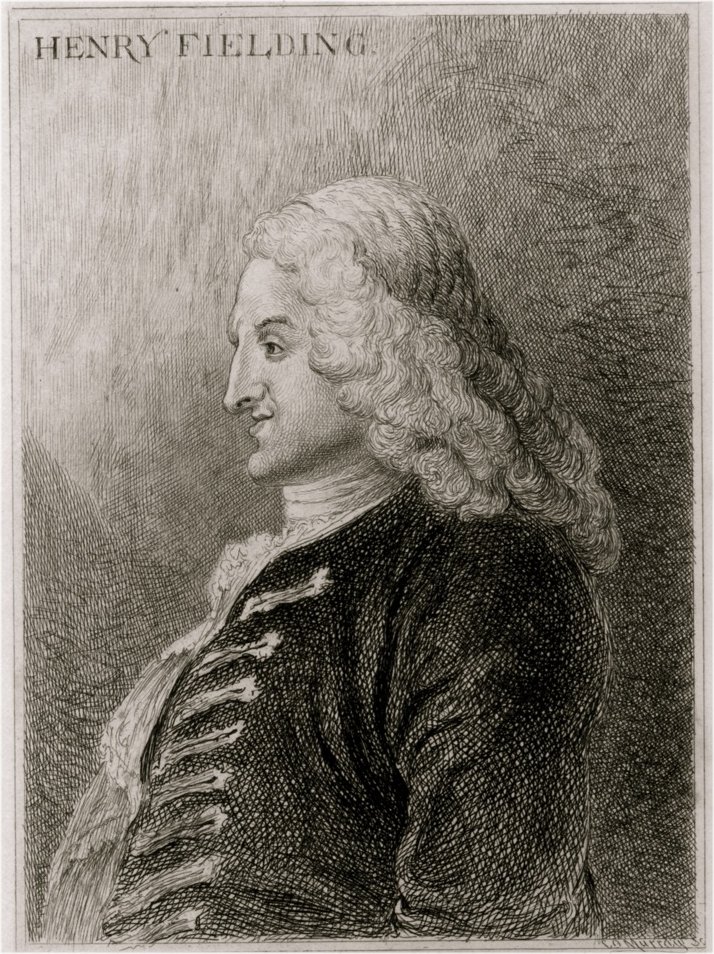
via Wikipedia · CC-BY-SA
62
Ideas
6
Passages
280
Citations
Works cited (1)
Ideas this author touches 62 Ideas · click an Idea to read in context
Love19God15Poetry15Medicine14Family12Virtue And Vice11Education10Man10Government9Punishment9Happiness8Art7Honor7Religion7Emotion6Justice6Law6Sin6Good And Evil5Wisdom5Courage4Life And Death4Pleasure And Pain4Rhetoric4Wealth4World4Custom And Convention3Experience3History3Immortality3Knowledge3Philosophy3Prudence3Sign And Symbol3State3Truth3Tyranny3Beauty2Cause2Chance2Constitution2Desire2Duty2Fate2Memory And Imagination2Opinion2Opposition2War And Peace2Angel1Evolution1Infinity1Labor1Language1Liberty1Monarchy1Nature1One And Many1Progress1Prophecy1Reasoning1Science1Time1
This MindMap is generated using weights to determine which ideas this thinker debates with others.
Passages by work
Tom Jones6 passages
Tom Jones, 152b-c✓ correct
The History of Tom Jones, a Foundling, by Henry Fielding
BOOK I
Containing as much of the birth of the foundling as is necessary or proper to acquaint the reader with in the beginning of this history
Chapter 1
The introduction to the work, or bill of fare to the feast
An author ought to consider himself, not as a gentleman who gives a private or eleemosynary treat, but rather as one who… Read the rest of this passage →
Tom Jones, 8c-10c; 28c 38 MONTESQUIEU* Spirit of Laws, BK vi, 33a- 37d; 42c-d; BK xxix, 262a-b✓ correct
The History of Tom Jones, a Foundling, by Henry Fielding
BOOK VI
Containing about three weeks
Chapter 1
Of love
In our last book we have been obliged to deal pretty much with the passion of love; and in our succeeding book shall be forced to handle this subject still more largely. It may not therefore in this place be improper to apply ourselves to the examination of that modern doctrine, by… Read the rest of this passage →
Tom Jones, 30a-32a✓ correct
The History of Tom Jones, a Foundling, by Henry Fielding
BOOK XII
Containing the same individual time with the former
Chapter 1
Showing what is to be deemed plagiarism in a modern author, and what is to be considered as lawful prize
The learned reader must have observed that in the course of this mighty work, I have often translated passages out of the best antient authors, without quoting… Read the rest of this passage →
Tom Jones, 20b-21a 15:18-16:19; 17; i8:io-i9:22-(D) OT, Book of Wisdom, 1:7-8,12-16; 2:24; 3:9-19; 5:17- 6:9; 10:1-8; 11:9-20; 12; 14:7-31; 15:18-16:19; 17; 18:10-19:20 / Ecclesiasticus, 5:2-7; 10:13-✓ correct
The History of Tom Jones, a Foundling, by Henry Fielding
BOOK XV
In which the history advances about two days
Chapter 1
Too short to need a preface
There are a set of religious, or rather moral writers, who teach that virtue is the certain road to happiness, and vice to misery, in this world. A very wholesome and comfortable doctrine, and to which we have but one objection, namely, that it… Read the rest of this passage →
Tom Jones, 182a-b 9:19 / Ecclesiasticus, i; 6:18-37; II:I 5J 17:1.6- 14; 19:20; 21:11; 24; 43:33; 45:26; 50:28-29; 51:17 (D) OT, Ecclesiasticus, i; 6:18-37; 11:15; 17:1,6-14; 19:18; 21:13; 24 43 37? 45:31; 50:30-31; 51:22-23✓ correct
The History of Tom Jones, a Foundling, by Henry Fielding
BOOK IX
Containing twelve hours
Chapter 1
Of those who lawfully may, and of those who may not, write such histories as this
Among other good uses for which I have thought proper to institute these several introductory chapters, I have considered them as a kind of mark or stamp, which may hereafter enable a very indifferent reader to… Read the rest of this passage →
Tom Jones, 182a*c a 341b; BK x, CH 7 [ii77 28- 3] 432a✓ correct
The History of Tom Jones, a Foundling, by Henry Fielding
BOOK X
In which the history goes forward about twelve hours
Chapter 1
Containing instructions very necessary to be perused by modern critics
Reader, it is impossible we should know what sort of person thou wilt be; for, perhaps, thou may’st be as learned in human nature as Shakespear himself was, and, perhaps, thou may’st be no wiser… Read the rest of this passage →
Cited under: Angel · Art · Beauty · Cause · Chance · Constitution · Courage · Custom And Convention · Desire · Duty · Education · Emotion · Evolution · Experience · Family · Fate · God · Good And Evil · Government · Happiness · History · Honor · Immortality · Infinity · Justice · Knowledge · Labor · Language · Law · Liberty · Life And Death · Love · Man · Medicine · Memory And Imagination · Monarchy · Nature · One And Many · Opinion · Opposition · Philosophy · Pleasure And Pain · Poetry · Progress · Prophecy · Prudence · Punishment · Reasoning · Religion · Rhetoric · Science · Sign And Symbol · Sin · State · Time · Truth · Tyranny · Virtue And Vice · War And Peace · Wealth · Wisdom · World