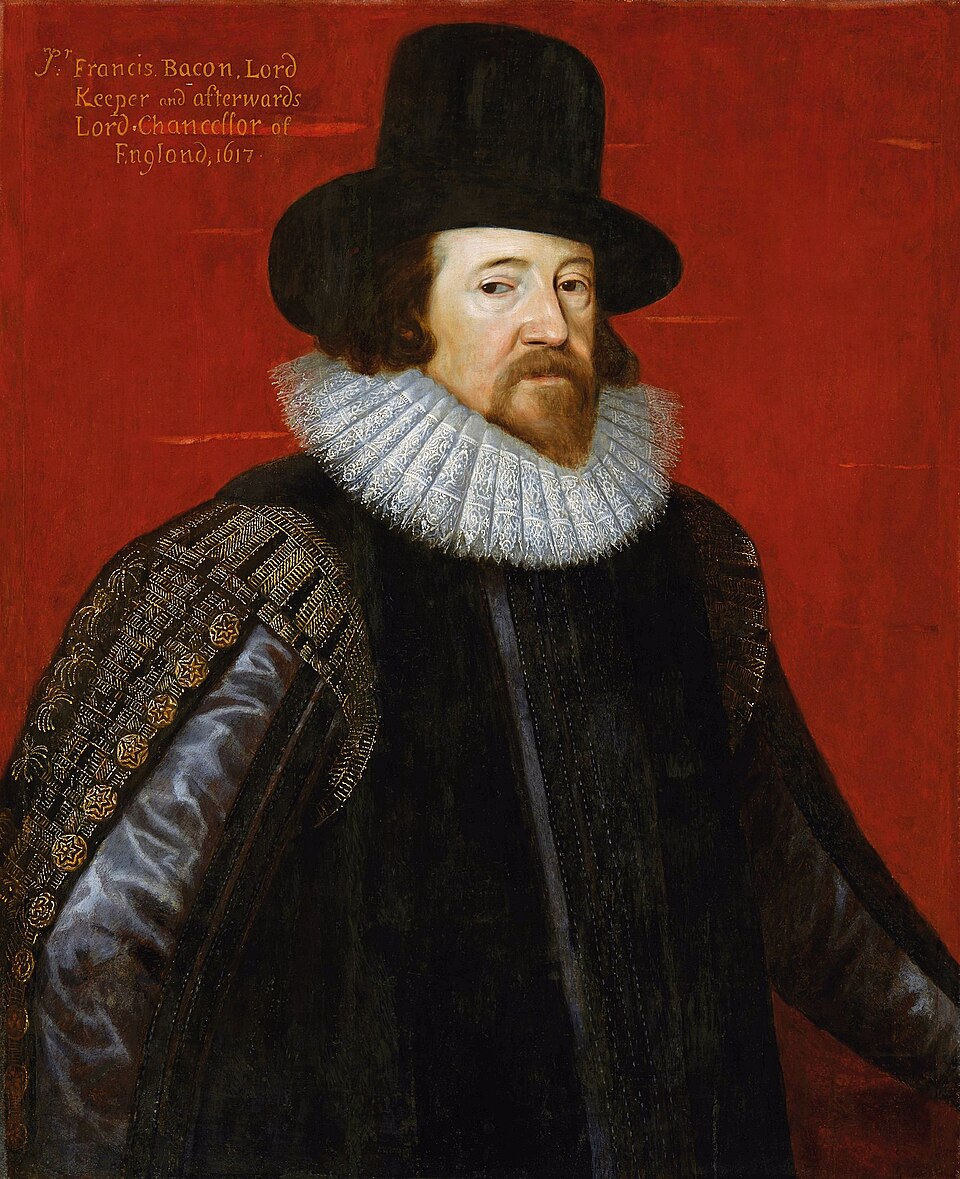
via Wikipedia · CC-BY-SA
99
Ideas
8
Passages
966
Citations
Works cited (3)
Ideas this author touches 99 Ideas · click an Idea to read in context
Knowledge32Man28God26Virtue And Vice24Science23Astronomy22Change22Good And Evil22Reasoning21Law20Philosophy20Rhetoric19Truth19Education18Medicine18Religion18Nature17State17Art16Mechanics16Memory And Imagination16Animal15Idea15Mind15Language14Poetry14Emotion13Experience12Justice12Opinion12Family11Habit11Pleasure And Pain11Sense11Being10Logic10Prudence10Sign And Symbol10Will10Angel9Evolution9Government9Life And Death9Love9Principle9Cause8Custom And Convention8Definition8Element8Happiness8Matter8One And Many8Progress8World8Quantity7Same And Other7Sin7Space7War And Peace7Mathematics6Monarchy6Physics6Wealth6Desire5Duty5Eternity5Form5History5Induction5Infinity5Judgment5Labor5Liberty5Relation5Soul5Time5Wisdom5Citizen4Immortality4Metaphysics4Opposition4Punishment4Temperance4Theology4Chance3Dialectic3Honor3Hypothesis3Necessity And Contingency3Prophecy3Quality3Revolution3Courage2Universal And Particular2Constitution1Democracy1Fate1Slavery1Tyranny1
This MindMap is generated using weights to determine which ideas this thinker debates with others.
Passages by work
The Advancement of Learning5 passages
Advancement of Learning, 20b-c✓ correct
There were under the law, excellent King, both daily sacrifices and freewill offerings; the one proceeding upon ordinary observance, the other upon a devout cheerfulness: in like manner there belongeth to kings from their servants both tribute of duty and presents of affection. In the former of these I hope I shall not live to be wanting, according to my most humble duty and the good pleasure of…
Advancement of Learning, 46a-c 603d; BK xiv, CH 3 622d-623d; CH 5-6 624d- b CH 8 [989^9-990*8] 508a; CH 9 [992 29~ 9]✓ correct
Now therefore we come to that third sort of discredit or diminution of credit that groweth unto learning from learned men themselves, which commonly cleaveth fastest: it is either from their fortune, or from their manners, or from the nature of their studies. For the first, it is not in their power; and the second is accidental; the third only is proper to be handled: but because we are not in… Read the rest of this passage →
Advancement of Learning, 77d-78d CH 7 44 BOSWELL: Johnson, 127a-b; 284c-d; 297d- CH 3 298a; 354c-355a✓ correct
As for human proofs, it is so large a field, as in a discourse of this nature and brevity it is fit rather to use choice of those things which we shall produce, than to embrace the variety of them. First, therefore, in the degrees of human honour amongst the heathen, it was the highest to obtain to a veneration and adoration as a God. This unto the Christians is as the forbidden fruit. But we… Read the rest of this passage →
Advancement of Learning, 2c-d; 4b-c [996 i8 26] 514d-515b; BK vi, CH i [1025^8- / Novum Organum, BK i, APH 23 108c; APH 124 133c-d✓ correct
In the entrance to the former of these — to clear the way and, as it were, to make silence, to have the true testimonies concerning the dignity of learning to be better heard, without the interruption of tacit objections — I think good to deliver it from the discredits and disgraces which it hath received, all from ignorance, but ignorance severally disguised; appearing sometimes in the zeal and… Read the rest of this passage →
Advancement of Learning, 17b-d / iv, CH 8 52c-53a / Third Ennead, TR v, CH 6, Novum Organum, BK n, APH 15 149a 104a✓ correct
To proceed now from imperial and military virtue to moral and private virtue; first, it is an assured truth, which is contained in the verses:—
“Scilicet ingenuas didicisse fideliter artes
Emollit mores nec sinit esse feros.”
It taketh away the wildness and barbarism and fierceness of men’s minds; but indeed the accent had need be upon fideliter; for a little superficial learning doth rather… Read the rest of this passage →
Cited under: Angel · Animal · Art · Astronomy · Being · Cause · Chance · Change · Citizen · Courage · Custom And Convention · Definition · Democracy · Desire · Dialectic · Duty · Education · Element · Emotion · Evolution · Experience · Family · Form · God · Good And Evil · Government · Habit · Happiness · History · Honor · Idea · Immortality · Induction · Judgment · Justice · Knowledge · Labor · Language · Law · Liberty · Life And Death · Logic · Love · Man · Mathematics · Matter · Mechanics · Medicine · Memory And Imagination · Metaphysics · Mind · Monarchy · Nature · Necessity And Contingency · One And Many · Opinion · Opposition · Philosophy · Physics · Pleasure And Pain · Poetry · Principle · Progress · Prophecy · Prudence · Punishment · Reasoning · Relation · Religion · Revolution · Rhetoric · Same And Other · Science · Sense · Sign And Symbol · Sin · Slavery · Soul · State · Temperance · Theology · Time · Truth · Tyranny · Universal And Particular · Virtue And Vice · War And Peace · Wealth · Will · Wisdom · World
Novum Organum2 passages
Novum Organum, BK n, APH 27, 157b-d; APH 40, 173c-d✓ correct
Man, being the servant and interpreter of Nature, can do and understand so much and so much only as he has observed in fact or in thought of the course of nature. Beyond this he neither knows anything nor can do anything.
II
Neither the naked hand nor the understanding left to itself can effect much. It is by instruments and helps that the work is done, which are as much wanted for the… Read the rest of this passage →
Novum Organum, BK ii, APH 33 161b-d✓ correct
On a given body, to generate and superinduce a new nature or new natures is the work and aim of human power. Of a given nature to discover the form, or true specific difference, or nature-engendering nature, or source of emanation (for these are the terms which come nearest to a description of the thing), is the work and aim of human knowledge. Subordinate to these primary works are two others… Read the rest of this passage →
Cited under: Animal · Art · Astronomy · Being · Change · Constitution · Definition · Desire · Element · Eternity · Evolution · Experience · Fate · Form · God · Good And Evil · Government · Habit · Hypothesis · Idea · Infinity · Judgment · Justice · Knowledge · Language · Life And Death · Man · Matter · Mechanics · Memory And Imagination · Mind · Nature · Necessity And Contingency · One And Many · Opinion · Opposition · Progress · Prudence · Punishment · Quality · Quantity · Reasoning · Relation · Revolution · Same And Other · Science · Sense · Sin · Space · Time · Truth · Virtue And Vice · World
The New Atlantis1 passage
New Atlantis, 214a-b✓ correct
WE sailed from Peru, where we had continued by the space of one whole year, for China and Japan, by the South Sea, taking with us victuals for twelve months; and had good winds from the east, though soft and weak, for five months’ space and more. But then the wind came about, and settled in the west for many days, so as we could make little or no way, and were sometimes in purpose to turn back.…
Cited under: Art · Custom And Convention · Family · Government · Immortality · Justice · Law · Liberty · Monarchy · Punishment · Religion · Sin · State · War And Peace · Wealth